


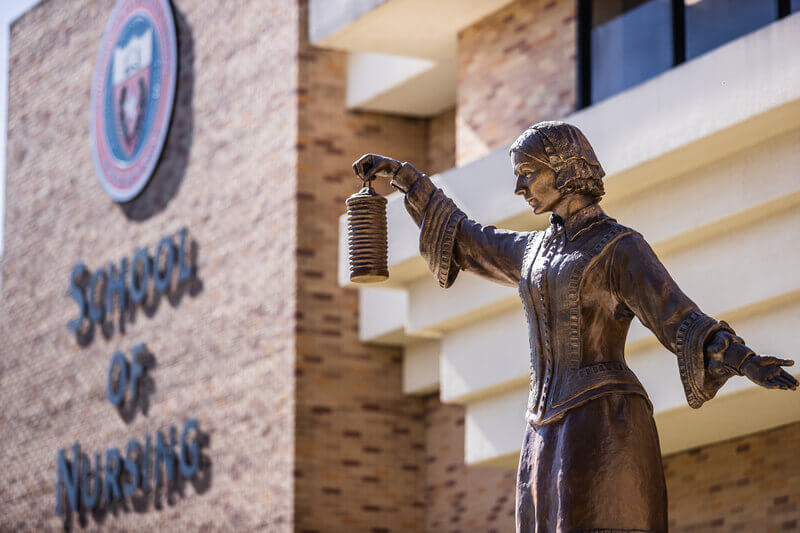
Across South Texas, the future of healthcare is being shaped by a new generation of health professionals who are preparing to serve the communities that need them most. Through education, mentorship and hands-on experiences, they are building the skills and connections needed to expand access to care and strengthen the healthcare workforce for generations to come.
The impetus to strengthen the healthcare workforce comes at a critical time. As of 2022, South Texas had the greatest shortage of physicians among Texas’ public health regions, with 44% unmet demand and 21 of 36 specialties — including primary care — at a critical shortage level, according to a report by Texas Department of State Health Services.
For Texans who live in rural areas, access to healthcare is an even bigger challenge, with 32%of rural hospitals vulnerable to closure and 43% operating on negative margins, according to the Texas Rural Health Association.
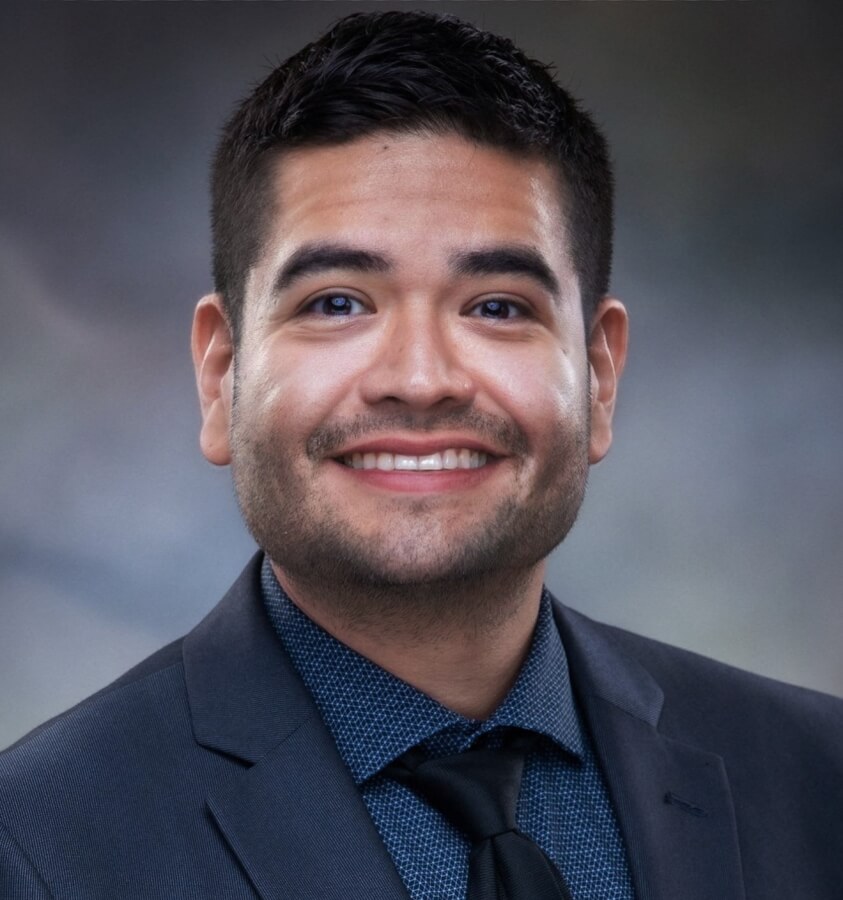
“We need a whole new generation of health [professionals] …,” said Jose Zapata Jr., MSS, CHW, assistant director of the South Texas Area Health Education Center.
The South Texas Area Health Education Center Program is helping to meet this critical need. Founded in 1990, the program addresses healthcare workforce shortages and access-to-care challenges across 35 South Texas counties, strengthening the pipeline of health professionals, particularly in rural, underserved and border communities where many residents have limited access to care.
The program is administered through an office in the School of Nursing at The University of Texas at San Antonio, which oversees five regional centers: Lower Rio Grande Valley, Mid Rio Grande Border, Southwest Border, South Coastal and South Central. Together, the office and regional centers help build healthier communities — work that has earned national recognition.
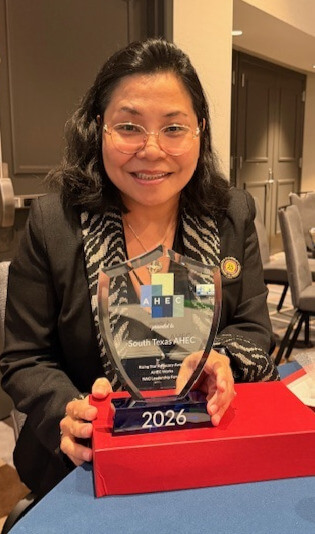
Recently, the South Texas Area Health Education Centers received the Inaugural Rising Star Advocacy Award during the National Area Health Education Center Organization Leadership Forum, honoring their dedication to advocacy, education and collaboration.
Throughout South Texas, these education centers help inspire elementary, middle, high school and college students to consider health professional careers through scholarships, summer camps, field trips, presentations and more.
The centers also provide continuing education for practicing professionals and give health professional students additional knowledge and experience working with rural and underserved populations through the AHEC Scholars Program.
The scholars program is a nationally recognized workforce development program providing health professional students complete online classroom training and community-based, experiential learning focused on rural and underserved populations.
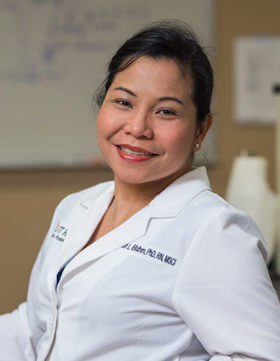
“The goal [of the AHEC Scholars program] is to connect [health professional students] with [underserved populations] and provide them with the experience to be able to work with rural and medically underserved communities,” said M. Danet Lapiz-Bluhm, PhD, RN, MSCI, FAAN, ANEF, professor, director of International Programs and program director of the South Texas Area Health Education Programs.
The scholars program runs alongside students’ academic curriculums, providing them valuable insight into the needs and challenges faced by those who live in underserved areas in South Texas while practicing alongside students from other disciplines.
Through the program — open to current health professional students from South Texas schools who are one to two years from graduating, dependent on their program — AHEC scholars deliver health education, assist with community assessments, support clinical and research initiatives, conduct health screenings, staff resource fairs and help implement evidence-based practices in real-world settings.
And the program is reaping positive results for underserved communities.
Where hands-on healthcare meets communities in need
Among the 44 student participants from The University of Texas at San Antonio’s Health Science Center since the AHEC Scholar Program’s inception in 2022, 29% of the scholars surveyed at graduation intended to work in medically underserved areas. That percentage more than doubled a year after graduation, with 62% relaying that they were practicing in rural and/or underserved areas in Texas.
“… These students can go anywhere in the world,” Zapata said. “They’re in high demand, so they can go to New York City, Miami, San Francisco, and … way more than half decided to say, ‘you know what, what I’ve learned here, what I’ve seen here, the need is strong. … I think I’m going to make South Texas my home, for the time being at least,’” he said.
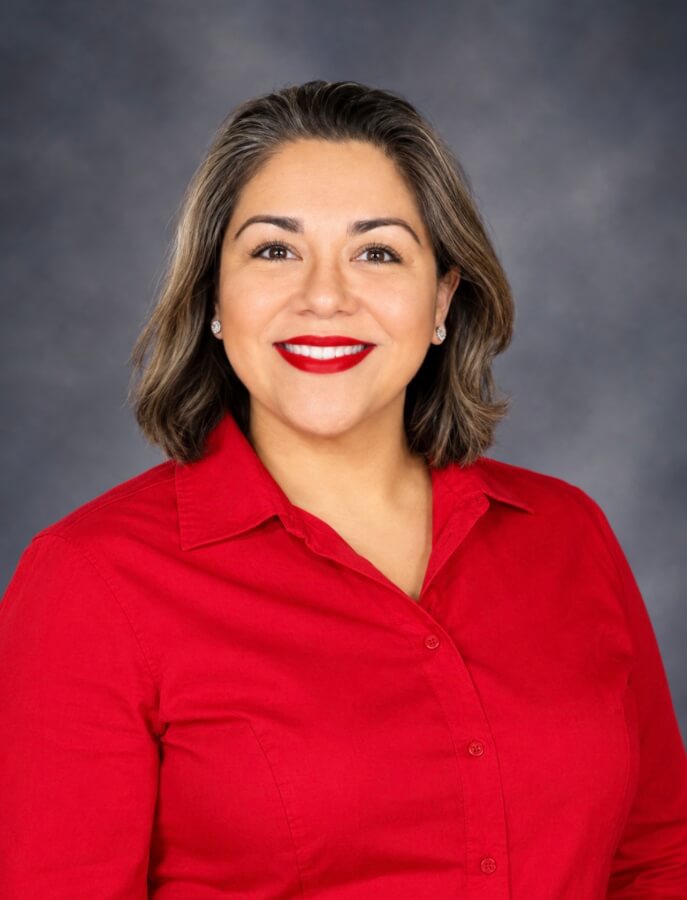
As an AHEC Scholar and community health worker helping patients understand, navigate and connect with the resources around them, Indira Barerra has appreciated the opportunity to take what she learned in the classroom and connect it to real-life situations, she said.
“… Through the [AHEC Scholars Program], I learned that there are so many other things that can affect someone’s health,” Barrera said. “A patient may have transportation problems, financial difficulties, family responsibilities, language barriers or may simply not know where to find help. Those things can have a huge impact on whether someone is able to follow their treatment plan or get the care they need. … AHEC helped me understand what those things actually look like in someone’s everyday life.”
The program, which provides stipends for students at the beginning and end of the program, also enabled her to work with health professionals in different fields, an experience she truly valued.
“[The program] really helped me understand that no one person or profession can do everything when it comes to patient care,” Barrera said. “We have doctors, nurses, pharmacists, social workers, therapists, community health workers and many other professionals, and each person has an important role. What I learned is that when these professionals communicate and work together, the patient receives much better support.”
Interprofessional collaboration also provided Barrera an added point of connection with her family members.
“Another beautiful part of this experience is that it has brought me closer to my nieces, who recently became registered nurses, and my son, who is studying to become an anesthesiologist,” she said. “I now have a better understanding and appreciation for the professions they have chosen, and we have been able to connect through conversations about healthcare and their experiences.”
Preparing a collaborative workforce for South Texas
As an important bridge between academic institutions and the residents of South Texas, AHEC scholars bring tremendous value to the underserved and rural areas of South Texas by learning directly from the communities they serve.
“[The AHEC Scholars Program] gives our students a glimpse into … the world that they’re going to be walking into,” Zapata said. “In this new [technologically] advanced, fast-paced and continuously evolving environment, we teach our scholars that … [they’re] not going to be working in silos anymore. Those days are done. You’re going to be working hand-in-hand with community health workers, with nurses, with doctors, with physical therapists.”
To learn more about the South Texas Area Health Education Center Program, click here. To learn more about or apply to the AHEC Scholars Program, click here.