
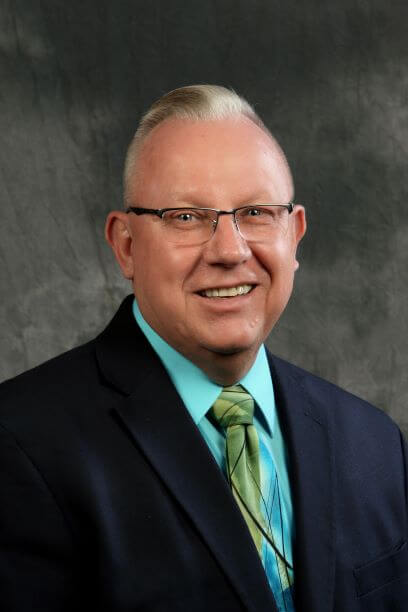
A chance conversation at a high school reunion eventually led to a request for assistance from the president of Zambia for Kenneth P. Miller, PhD, MJ, RN, CFNP, FAAN, FAANP, associate dean for ambulatory services at The University of Texas at San Antonio School of Nursing.
While catching up with a friar at his reunion, Miller mentioned that he was a family nurse practitioner at the School of Nursing.
“The friar told the friars in Zambia, who then told the minister of health in Zambia about me,” Miller said.
Six months later, Zambia’s minister of health invited him to visit hospitals in the mineral-rich Copperbelt Province of rural Zambia in South Central Africa. While that trip didn’t materialize due to the COVID-19 pandemic, Miller later received an even higher-level request.
The president of Zambia reached out to ask if Miller could help start a school for nurse practitioners and baccalaureate-prepared nurses based on the American model, as there are few, if any, nurse practitioners in the Copperbelt region of Zambia, Miller said.
Miller was invited to St. Joseph’s Mission Rural Health Centre in Zambia. When he heard about the hospital’s needs, he contacted SOS International, a Louisville, Ky.-based organization that collects surplus medical supplies and uses them to improve medical care and access.
That request led to similar requests from other Zambian hospitals and soon, Miller brought volunteer Doctor of Nursing Practice students and faculty to Zambian hospitals as part of a transformative, 15-day culturally immersive clinical experience through the School of Nursing’s Global Health Program.
The program enables students to gain valuable insight into global health and cross-cultural care in a resource-limited international setting, one that helps prepare them to be compassionate, globally minded nurse leaders equipped to address complex health challenges across diverse populations.
Since 2024, 11 DNP students and six faculty members have joined Miller on these trips to three Zambia hospitals: St. Joseph’s Mission Rural Health Centre, St. Theresa’s Mission Hospital and St. Dominic’s Mission Hospital.
The gift of a welcoming community
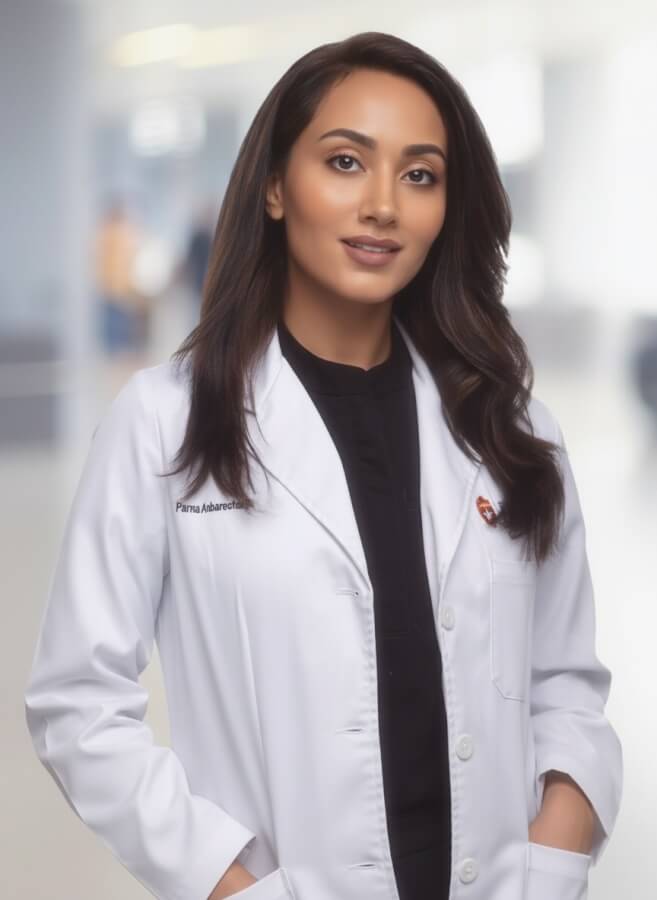
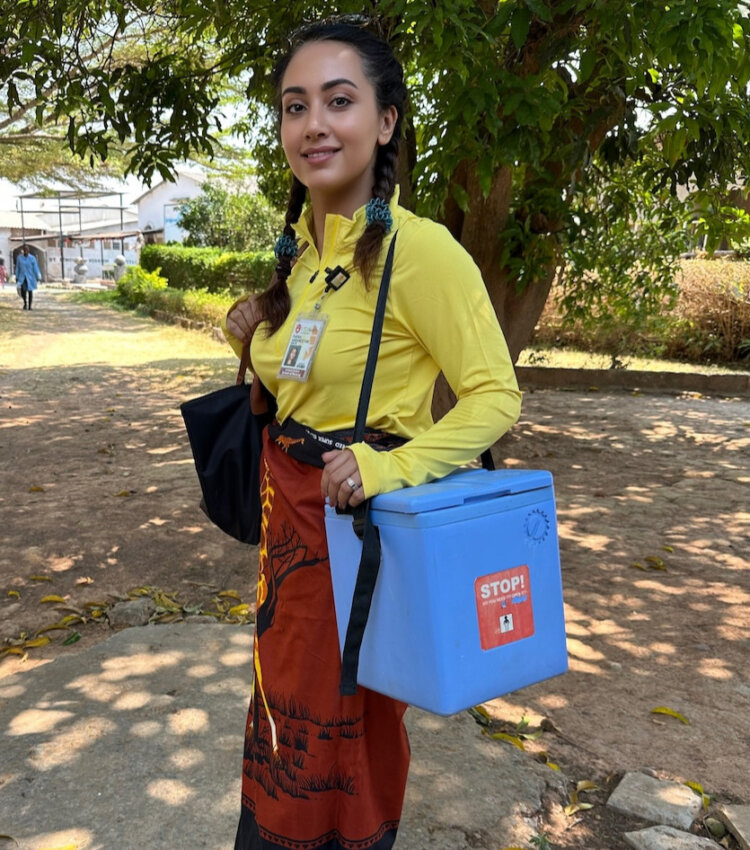
When third-year Doctor of Nursing Practice student Parna Anbarestani, BSN, RN, was preparing for her trip to Zambia in October 2025, she was excited to be part of the first Adult-Gerontology Acute Care Nurse Practitioner cohort participating in the School of Nursing’s Global Health Program.
“Coming from Iran, I’ve always been curious about healthcare within different cultures and different settings, so after years of practicing in the U.S. — almost 10 years — I wanted to step outside of my comfort zone and learn from a different culture and just broaden my perspective and point of view,” she said.
The journey to Zambia would take the group of five students and four faculty members two days of traveling through Johannesburg, South Africa, to Ndola, Zambia, the nation’s third-largest city and the capital of the Copperbelt Province in the central part of the country.
After the long journey, their final stop was still about an hour away: a convent of the Dominican Sisters of the Sacred Heart, just a mile from St. Dominic’s Mission Hospital, where members of the School of Nursing group — including Anbarestani and Miller — would soon begin their volunteer work.
Next to the convent was the Fatima Girls Secondary School of 300–400 students, a church and a newer building to house visiting health volunteers. That was where the School of Nursing group would stay.
Sister Agnes, a leader within the convent, ensured that the nursing team was well cared for, attending to their needs for food, hydration and rest, while also introducing them to Zambian culture and the Bemba language that is widely spoken in Zambia.
“They welcomed us so warmly,” Anbarestani said. “They sang a song for us. They were so appreciative that we were there. We truly felt special. I will never forget that they gave us a Zambian name.”
Sister Agnes gave Anbarestani the name “Bupe,” which means gift or blessing, and in Zambian and broader Southern African cultures, it holds a special spiritual significance.
“It often symbolizes the joy and gratitude that parents feel when they welcome a new child into their lives, making it a truly meaningful and heartfelt name,” Anbarestani said.
After getting acquainted with their accommodations, the group readied for the busy days ahead. It would be a good kind of busy, the kind that fuels the heart and soul.
Each day, the team would awaken around 5:30 a.m., change into their scrubs and gather around the breakfast table at the convent to pray with the sisters, who held a variety of roles, including dentist, nurse and teacher.
“They would start their day with such a positive attitude, and then we would head to the hospital,” Anbarestani said.
The healing power of human connection
As Anbarestani began her rotations at St. Dominic’s Mission Hospital — a 100-bed facility providing emergency, surgical, maternal and outpatient care for underserved community members in Ndola — she received invaluable lessons.
“The first day that we walked into the hospital, I was surprised by the simplicity,” she said. “There was no advanced technology like we are used to in the U.S. But what stood out to me was the professionalism, the teamwork and how resourceful the staff was in providing care with such limited resources. That was just amazing.
“The doctor I worked with was able to diagnose a patient with a cancer just by using simple clinical skills of palpating and not having any resources. This was done by listening to the patient and grabbing a great clinical history from the patient. In the U.S., … it’s fast paced. But in Zambia, even though there were a lot of patients, the doctors and providers were simply present at that moment.”
Seeing hospital providers bridge the technology gaps with compassion, attentiveness and strong listening skills inspired Anbarestani to rely more on her human senses as well.
“I feel like I could never learn what I learned in Zambia in a classroom,” Anbarestani said. “The passion, the compassionate care and using the simple, basic clinical skills like using a stethoscope to the max and just simply listening to the patient, was just something that stood out to me.”
Bringing care, building connections
Beyond her clinical rotations at the hospital, Anbarestani also participated in community outreach, providing support at a community health center in a rural town two hours away.
The day of the trip to the health center, Anbarestani, a fellow student and a faculty member, gathered with a public health specialist, a midwife and other medical volunteers to prepare malaria nets, vaccinations and educational materials to bring with them in the ambulance they would take on their trip. During their travel on dirt roads, the driver often stopped to say hello to the community members he saw along the way, Anbarestani said.
“Everybody knew the driver and health volunteers,” Anbarestani said.
When the ambulance reached its destination, the healthcare volunteers entered a brick building. Inside was a windowless room that made up the community health center. There, a group of 40 to 50 mothers and children sat on the floor, ready to greet the practitioners arriving to provide preventive care, vaccinations, pregnancy education, family planning, malaria prevention, HIV and tuberculosis awareness and more.
“The mothers and children started singing a welcome song for us in the Bemba language and they were clapping. They were so appreciative that we were there to help them,” Anbarestani said.
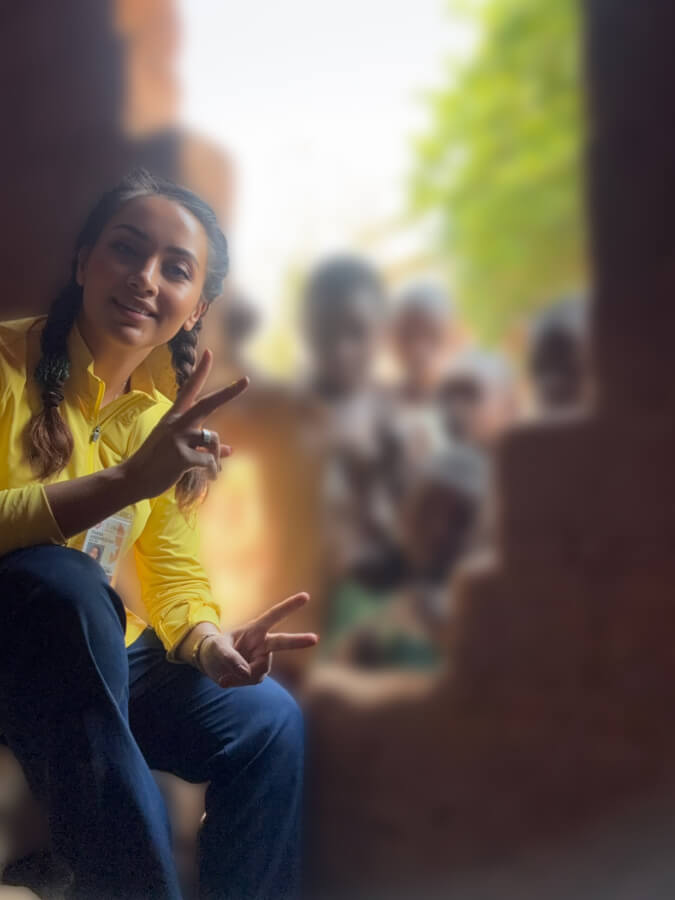
Throughout the day, the School of Nursing team helped with annual exams, maternal and pregnancy checkups and health education. The center lacked a computer, so the vaccinations were logged in a government book with each person’s name, Anbarestani said.
The day’s work was both practical and personal, blending essential care with small gestures that left a lasting impression.
One of Anbarestani’s best memories was handing out stickers to the young boys at the center.
“We would give the stickers to them and they would look at them and then they look at you and you could see the happiness in their eyes. And they would put them on their faces, they would show them to one another and they would come back for more. It was just amazing.
“The people were engaging with us. The kids were engaging. They loved to take photos. They loved to look at my camera. Every moment of that day was just so special to me.”
Although the community members had little, their warmth and gratitude were unmistakable.
“I felt like I knew all of them,” Anbarestani said.
A well-deserved recognition by the Conventual Franciscan Friars
With each trip to Zambia, Miller has become even more connected to the warm and kind people he’s met. After all, it was his connection with the friars that first led him to Zambia.
That same spirit of connection has been a guiding thread throughout his life, beginning long before his first trip to Zambia.
For years, he has maintained an enduring connection with the Conventual Franciscan Friars, having spent four years in their high school seminary, a year in the second stage of Franciscan formation called novitiate — in which a beginner deliberates the calling of religious life — and four years at Saint Louis University in St. Louis as a Conventual Franciscan Friar in simple vows.
After graduating from the university, Miller left the order to obtain an Associate of Science and Bachelor of Science in Nursing in Michigan. Later, he went on to earn two master’s degrees in nursing, a Master of Jurisprudence in healthcare law and a doctorate in philosophy.
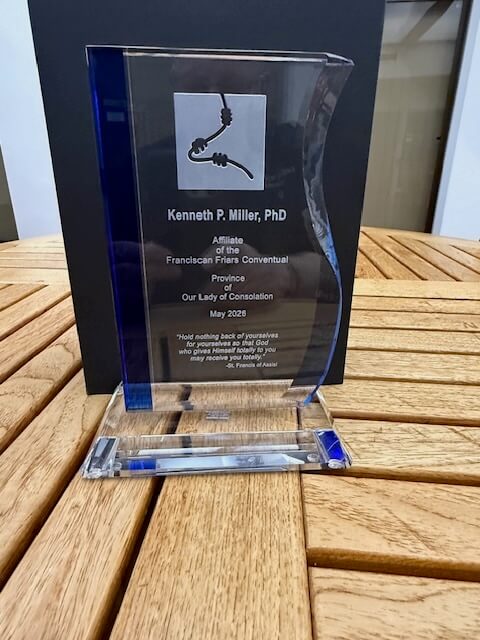
In May, the Conventual Franciscan Friars recognized him in a ceremony for his work with the friars in both the U.S. and Zambia. Miller was given a large cross and an engraved plaque.
He also received the honor of becoming an affiliate member of the Our Lady of Consolation Province, a title that will keep him informed about the latest happenings throughout the province.
Inspired for life
As Anbarestani looks forward to graduating from the DNP program at the end of July, she will always cherish her time in Zambia, she said.
“This experience shaped and changed my point of view toward healthcare,” she said, adding that it reminded her that she always needs to remain humble, compassionate, curious and fully present. “I am doing my best to share my experience so I can encourage other students to join this program. This was an exceptional experience and I could never have had this experience in the classroom.”
The next trip to Zambia is planned for Oct. 4–19, and Miller plans to continue supporting hospitals in Zambia. What began with his work alongside three Copperbelt Province hospitals has continued to grow, as others have reached out for guidance and support. He hopes to see the clinical immersion program’s impact extend even further across Zambia.
Miller is also continuing to explore the possibility of establishing a school in Zambia to educate nurse practitioners and baccalaureate-prepared nurses.
“I have pieces of land that have been donated, but now I need the money to build the school,” Miller said, adding that he’s working on that with directors from the copper mines in Zambia.
At the same time, the School of Nursing is working on potential clinical immersion experiences in the Philippines and Guatemala. Students who participate in these global health initiatives can potentially graduate with a Global Health Distinction, a recognition that honors nursing students who meet rigorous academic criteria and actively engage in meaningful global health experiences
As a member of the School of Nursing’s Global Health Distinction Program, Anbarestani will graduate with a global health distinction on her diploma and is considering participating in another trip through the Global Health Program as an alumna.
For Miller, his connection to Zambia is rooted in the relationships he’s formed and the desire to make a difference.
“When you leave Zambia, they always see you off and ask, ‘will we see you next year?’ and I say, ‘yes, we’ll be back next year,’” Miller said. “Helping others — that’s what keeps me going every year.”
To learn more about the School of Nursing’s Global Health Program, click here. For questions about the Global Health Program, contact the School of Nursing’s Director of International Programs Maria Danet Lapiz Bluhm at lapiz@uthscsa.edu.