


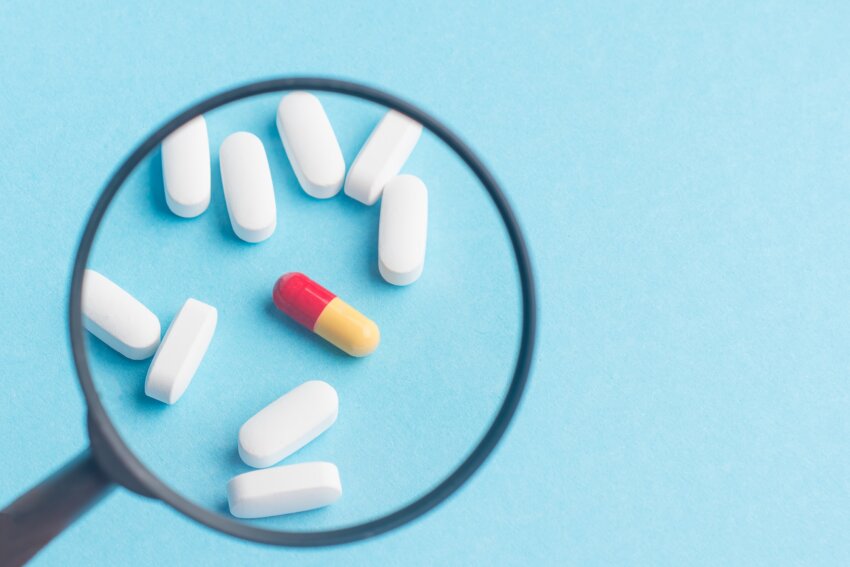
A drug once known almost exclusively for preventing organ transplant rejection is now at the center of a National Institute on Aging-funded clinical study at UT Health San Antonio, the academic health center of The University of Texas at San Antonio (UT San Antonio), to determine how rapamycin should be used in older adults to promote healthy aging.
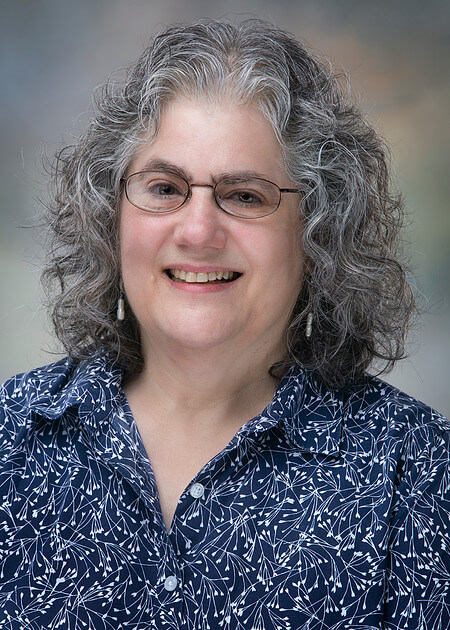
UT San Antonio researchers Ellen Kraig, PhD, professor in the Department of Cell Systems and Anatomy, Dean Kellogg Jr., MD, PhD, professor in the Department of Medicine, Division of Geriatrics, Gerontology and Palliative Medicine, and Brett Ginsburg, PhD, professor in the Department of Psychiatry and Behavioral Sciences in the Joe R. and Teresa Lozano Long School of Medicine, are launching a multi-phase clinical study to better understand the biological effects of rapamycin in older adults. The study reflects a shift toward evidence-based dosing, safety and long-term outcomes rather than off-label and speculative use of rapamycin.
“Rapamycin is widely discussed in popular culture as a longevity drug,” Kraig said. “But there’s a difference between something that is biologically plausible and something that has been rigorously tested in people.”
A study built in phases
The current study is structured as a series of interconnected sub-studies, each designed to answer a specific question. The translational pipeline will move from biological benchmarks to long-term clinical observation.
The first sub-study establishes a reference point by examining immune and metabolic markers in younger adults. These measurements help define what “optimal” function looks like before aging-related changes begin.
The second sub-study will determine the optimal rapamycin dosage for older adults that will safely bring them back to the optimal functioning seen in the younger population. The dosage used for transplant patients may be too high for safe use in generally healthy older adults, so the scientists are testing different dosing schedules to determine how much rapamycin is needed to reach biological targets without negative side effects.
“This phase is about precision,” Kellogg said. “We’re asking how much drug it actually takes to achieve a desired biological effect, not more than that.”

The third sub-study is the largest cohort and will run the longest. It is a randomized, placebo-controlled clinical trial involving approximately 84 older adults who will receive either daily rapamycin, intermittent dosing or a placebo. Participants will be treated for six months and followed for an additional six months to assess both short-term effects and sustained effects after treatment ends.
Separating science from hype
The study arrives at a time when rapamycin has gained attention well beyond academic circles. Some individuals are experimenting with the drug on their own, often without medical supervision or reliable information about dosing or risks.
This is a concerning trend that can have real consequences, said Kellogg.
“Rapamycin is a powerful drug. Using it without understanding how it behaves in aging bodies is not the same as careful clinical research,” Kellogg said.
By focusing on pharmacokinetics — how a drug is absorbed, distributed and cleared from the body — the study aims to establish a scientific foundation that has largely been missing from discussions of rapamycin and aging.
Looking ahead
While the study is not designed to test rapamycin as a treatment for disease, its findings could inform future trials aimed at improving healthspan, which is the amount of our lives spent in good health.
“This is about understanding aging biology in humans. Once you understand that, you can start asking smarter clinical questions,” Kellogg said.
Results from the study are expected to help guide future National Institute on Aging-funded research and may shape how aging interventions are evaluated moving forward.
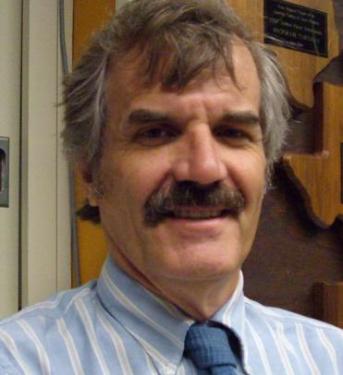
This study is a team effort with Tiffany Cortes, MD, Department of Medicine, joining Kellogg in managing the clinical efforts which are being undertaken at the Sam and Ann Barshop Institute for Longevity and Aging Studies Research Clinic by Gisela Ramirez, DNP, APRN, FNP-C, Katy Casique Cervantes, Allison Stepanenko, MSN, APRN, FNP-C, and colleagues. Ginsburg and his postdoc, Haidyn Stark, PhD, oversee the pharmacological aspects of the project and are joined by Wouter Koek, PhD, for statistical analysis of the data. The study coordinator, Leslie Linehan, and Kraig are joined by Faizah Ahmmed in managing the laboratory and logistical operations. Randy Strong, PhD, professor of pharmacology and associate director for translational research at the Barshop Institute, Adam Salmon, PhD, professor of molecular medicine, associate director of the Barshop Institute, and Blake Rasmussen, PhD, professor and chair of the Department of Cellular and Integrative Physiology, provide scientific input.
How to participate
Researchers are currently seeking generally healthy men and women between the ages of 65 and 90 to participate in a six-week clinical trial of the FDA-approved drugs rapamycin and everolimus followed by a four-week follow-up period. Participants should be non-smokers, live independently and not have diabetes or use glucose lowering medications. For more information, email: BCRU@uthscsa.edu or call (210) 450-3333.