



The human body hosts vast communities of bacteria that influence health in ways scientists are only beginning to fully understand. In recent years, scientists have turned increasing attention to microbiomes as potential contributors to brain health and neurodegenerative disease.
A new study led by researchers at The University of Texas at San Antonio adds to this growing field by examining both the gut and oral microbiomes in older adults with and without cognitive impairment. Cognitive impairment is defined as any deficit in mental abilities including attention, memory, decision-making, reasoning or comprehension. While the study does not establish causation, it identifies distinct microbial patterns associated with cognitive impairment.
Addressing a critical gap in Alzheimer’s research
The study began in 2020, with funding from the Rio Grande Valley Alzheimer’s Disease Resource Center for Minority Aging Research, which supports research relevant to underrepresented populations in Texas.
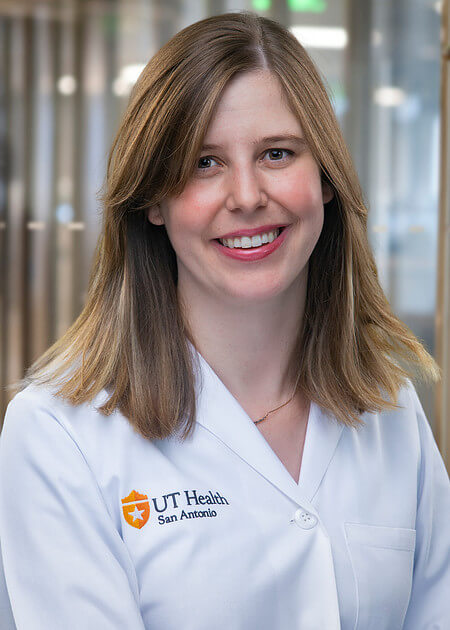
“This was our first microbiome study at the Biggs Institute, and it was very important to us to focus on South Texas,” said Tiffany F. Kautz, PhD, assistant professor with the Glenn Biggs Institute for Alzheimer’s and Neurodegenerative Diseases (Biggs Institute) and the Division of Geriatrics, Gerontology and Palliative Medicine, Department of Medicine in the Joe R. and Teresa Lozano Long School of Medicine (Long School of Medicine). “We wanted to investigate how the microbiome may influence cognitive impairment in an understudied patient population.”
The study included 32 older participants including 17 individuals with cognitive impairment and 15 who were cognitively normal. Samples were collected to analyze gut and oral microbiomes using 16S rRNA gene sequencing, a common approach for profiling bacterial communities.
Microbiome changes linked to cognition
A growing body of research shows that the gut microbiome differs between people with normal cognition and those with cognitive impairment. Individuals with cognitive impairment often show reductions in “good” bacteria associated with anti-inflammatory functions and increases in “bad” bacteria linked to inflammation.

“Our study fits into that broader pattern,” said Bernard Fongang, PhD, associate professor in the Departments of Biochemistry and Structural Biology and Population Health Sciences in the Long School of Medicine and the Biggs Institute. “What we’re seeing is not causation, but an association between cognitive impairment and disruptions in both gut and oral microbiomes.”
In the gut, participants with cognitive impairment showed higher abundance of genera such as Bacteroides and Escherichia-Shigella, which are often associated with pro-inflammatory states. At the same time, several genera thought to play anti-inflammatory roles, including Subdoligranulum, Holdemania and Shuttleworthia, were significantly reduced.
At broader taxonomic levels, the researchers observed differences in bacterial groups such as Firmicutes, Clostridia and Oscillospirales, all of which have been implicated in metabolic and immune regulation. In addition, 33 gut microbial metabolic pathways differed significantly between cognitively impaired and cognitively normal participants.
Oral microbiome signals tied to inflammation
While much microbiome research has focused on the gut, the team also examined the oral microbiome. Growing evidence suggests that oral health and chronic inflammation may influence brain health.
In participants with cognitive impairment, the researchers found increased abundance of several oral bacterial genera commonly associated with periodontal disease and gingivitis, including Dialister, Fretibacterium and Mycoplasma.
“This isn’t entirely new in terms of what we know about inflammation,” Fongang said. “But seeing these bacteria elevated in people with cognitive impairment suggests a potential inflammatory pathway from the oral cavity that could be relevant to brain health.”
The study also identified reductions in oral bacteria considered beneficial, such as Neisseria, along with increases in Streptococcus and Fusobacterium. Fourteen oral microbial metabolic pathways differed between groups.
Gut and oral microbiomes are separate but similarly affected
One of the questions the researchers hoped to explore was whether gut and oral microbiomes might act synergistically with the same bacteria linked in both the oral–brain and gut–brain axes.
In this study, the answer was largely no. The researchers did not find strong overlap between gut and oral microbial changes associated with cognitive impairment.
“We were curious whether there would be species involved in both pathways, but we found that the gut and oral associations appeared relatively separate,” Kautz said.
However, the scientists believe the findings may be a result of the small sample size.
“Detecting synergistic effects requires a large cohort, and this study simply wasn’t powered to do that,” Fongang said.
Inflammation, aging and leaky gut
Although the study does not establish cause and effect, the findings mirror leading hypotheses about how microbiome disruption might influence cognition. One proposed mechanism involves inflammation and increased permeability of biological barriers.
“As we age, the gut barrier becomes more permeable,” Fongang said. “More microbial products can cross into the bloodstream and eventually reach the brain by crossing the blood–brain barrier.”
Kautz noted that this idea fits with the broader concept of a “leaky gut,” in which chronic inflammation allows molecules to circulate where they normally would not, potentially contributing to neuroinflammation and damage over time.
Need for longitudinal research
Fongang and Kautz said future work must involve larger, longitudinal cohorts to grasp the full picture of microbiome changes over time. Cognitive decline often progresses slowly, and short studies may miss key transitions from normal cognition to mild cognitive impairment or dementia.
“This really needs to be a decade-long effort with hundreds or thousands of participants,” Kautz said.
Toward future interventions
Ultimately, understanding how microbiomes influence brain health could lead to new interventions like personalized dietary strategies, targeted probiotics or microbiome-based therapeutics. For now, Kautz said, the science is not yet mature enough to support specific recommendations.
“We’re still in the infancy when it comes to probiotics and microbiome-based interventions,” she said.
The scientists emphasize that maintaining good oral hygiene, eating a balanced diet and working with healthcare providers are all important steps for overall health.
“This study reinforces the importance of doing what we can to support healthy gut and oral microbiomes as we age,” Fongang said.
Wadop, Y. N., Vasquez, E. L., Mathews, J. J., Muhammad, J. A. S., Pirela Mavarez, R., Satizabal, C. L., Gonzales, M. M., Tanner, J., Maestre, G., Fonteh, A. N., Seshadri, S., Kautz, T. F., & Fongang, B. (2025). Differential Patterns of Gut and Oral Microbiomes in Hispanic Individuals with Cognitive Impairment. Microorganisms, 13(10), 2350. https://www.mdpi.com/2076-2607/13/10/2350