

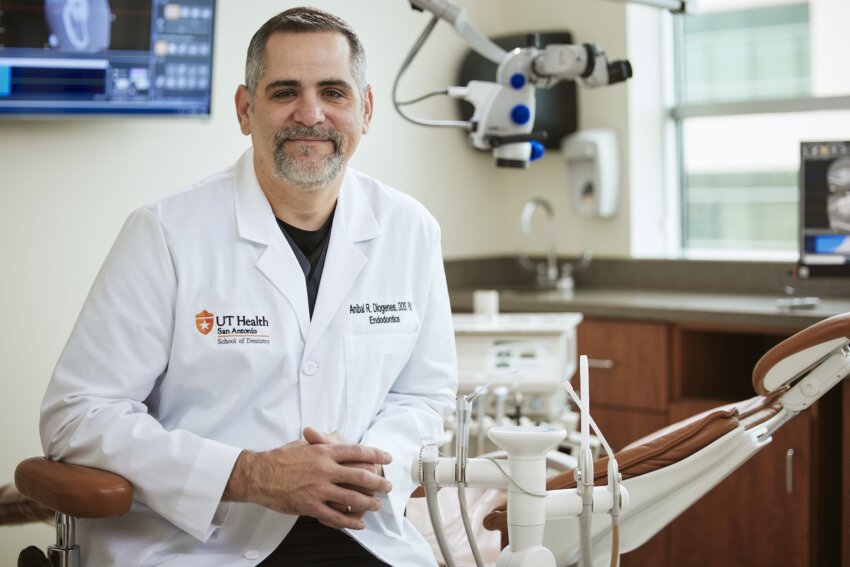
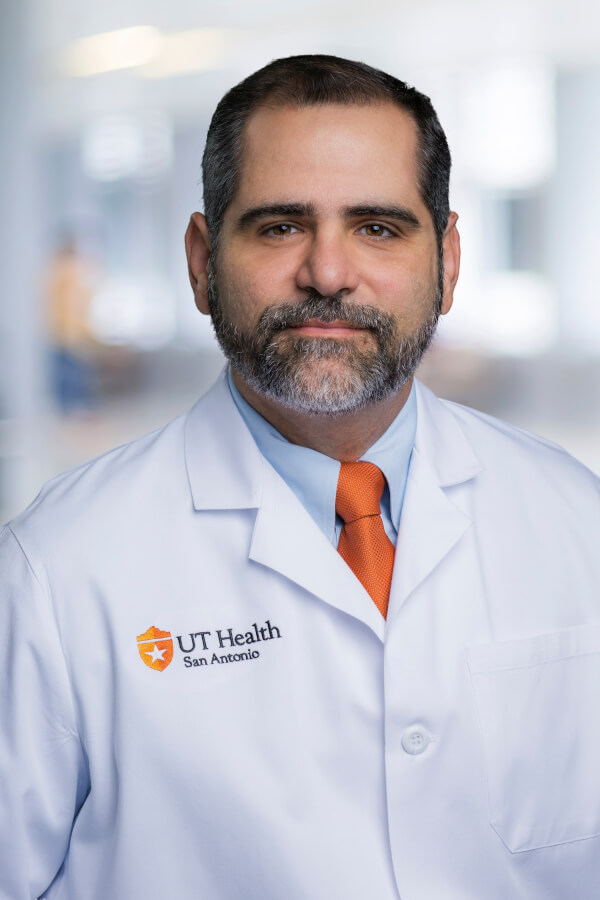
Anibal Diogenes, DDS, PhD, knows a thing or two about good mentorship.
After all, he has mentored dozens of students at the university and received the Graduate School of Biomedical Sciences (GSBS) Mentor of the Year award in 2022.
“I’m a product of [strong mentorship] because I was trained here,” said Diogenes, professor and chair of the Department of Endodontics. “I know how important it is for somebody’s future.”
After being recognized as GSBS Mentor of the Year, Diogenes received automatic membership into the Research Mentoring Academy — an independent organization that supports junior and senior faculty researchers in order to facilitate and reinforce the importance of strong mentoring relationships. The Graduate School of Biomedical Sciences launched the academy in 2018 to provide faculty members from across the university’s health professional schools an opportunity to hone their mentorship skills to give research trainees the best possible learning experience.
Recently, Diogenes took the helm as chair of the academy, now 11 faculty research members strong, and is looking to expand its reach by inviting faculty researchers from across UT San Antonio to join and continue to build on the university’s robust culture of mentorship.
“The success of the research enterprise … is dependent on us creating a body of mentees that not only are productive scientifically, … [but] as they move forward into successful careers, they can mentor the next generation. It is the ripple effect that matters,” he said.
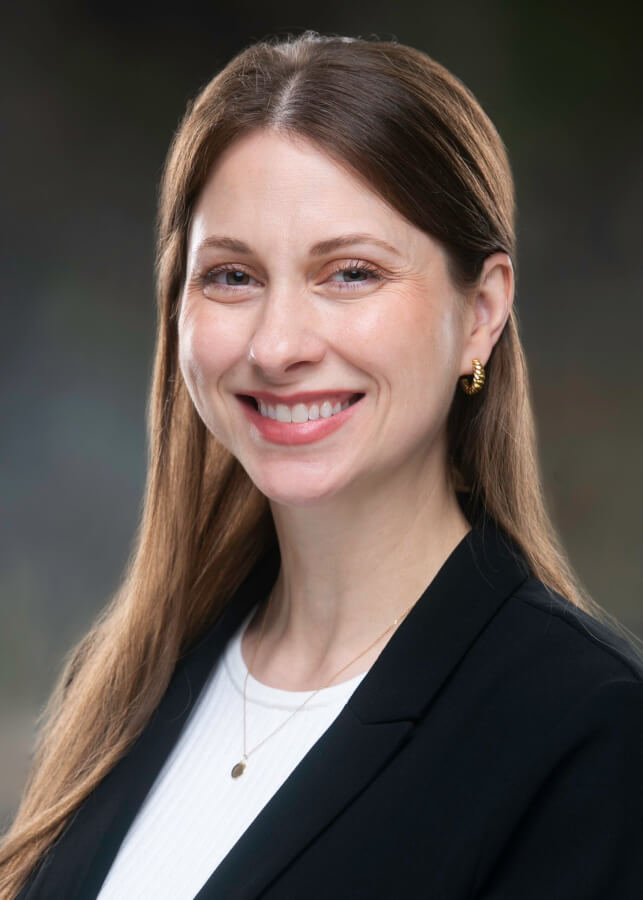
This sentiment was echoed by Jennifer Davila, PhD, director, Research Mentoring Initiatives, Graduate School of Biomedical Sciences, and assistant professor, Department of Medical Education, Joe R. and Teresa Lozano Long School of Medicine. Davila is helping lead the academy’s efforts.
“We know that strong mentorship is associated with student success and training, career development as well as psychosocial factors like, ‘Do I feel a sense of belonging? Am I supported in having a family and maintaining a strong work-life balance?’” Davila said. “Our purpose as an academy is to provide resources specifically to faculty, but also to research trainees so that everyone has the tools and support to grow within their mentoring relationships.”
Workshops strengthen mentorship skills, provide exchange of ideas
Recently, the academy began offering Mentoring Masters workshops adapted from an evidence-based program called Entering Mentoring. The program was developed by a group at the University of Wisconsin at Madison called the Center for the Improvement of Mentored Experiences in Research and is available to faculty who engage in mentoring across all schools, regardless of membership in the Research Mentoring Academy.
Over the past year, six workshops were held with nearly 40 faculty members completing the program. The hope is to bring the workshop to all research faculty, Davila said.
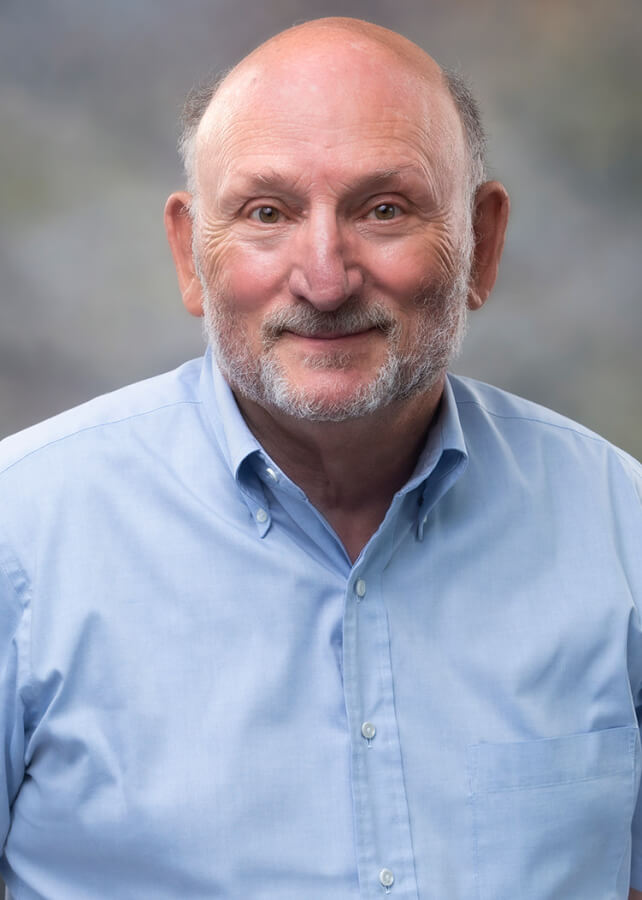
“What we try to do in the workshops is encourage faculty to learn from each other, and by doing so, in fact, they improve their mentorship skills,” said Philip LoVerde, PhD, immediate past chair of the academy’s executive committee and professor emeritus, Department of Biochemistry and Structural Biology.
The intent of the eight-hour workshops is to bring research faculty mentors across all career stages together to discuss their experiences in mentoring — both the good and the bad, Davila said.
“We believe this quickens the learning experience and promotes effective mentoring practices in the lab environment,” Davila said. “We use several different learning techniques, and one of them is case-study analysis and promoting discussion through self-reflection and self-values testing.”
The workshops also include role-playing activities that enable mentors to strengthen their skills in each competency.
One module focuses on effective communication. For example, mentors are provided with case studies, a communications styles test and assessment and practice activities such as active listening, role playing and brainstorming solutions to overcome barriers to effective communication.
Facilitators guide the discussion and then give participants space to exchange their perspectives, Davila said.
“Bringing junior and senior mentors together accelerates growth. Instead of taking five years to realize what works and what doesn’t, we’re helping them learn from one another’s real experiences and shorten that learning curve,” Davila said.
The workshops enable mentors to share how they have dealt with various situations and ask their peers what they might do under certain sets of circumstances, LoVerde said, adding that the feedback received from the workshop attendees has been positive.
“Faculty members found the workshops to be informative,” LoVerde said. “They found it to reinforce things that they thought were important but really hadn’t been practicing.”
The workshops are also a terrific way to strengthen mentorship skills in an ever-changing technological environment, Diogenes said.
“We need to stay meaningful and effective,” Diogenes said. “We can do that through continuing education as educators.”
Workshops schedule and how to register
The academy’s executive committee hosts the workshops five to six times a year. They are promoted broadly across the university through the Research Mentoring Academy’s website, which is updated frequently with upcoming offerings.
Three to four workshop options are typically advertised each semester through targeted announcements with department chairs, training grant program directors and other faculty leaders seeking to meet National Institutes of Health expectations for training mentors in evidence-informed mentoring practices that support the development of all trainees. Announcements are also included in the university’s newsletters.
“To accommodate diverse schedules, we offer both one-day and two-day formats each year,” Davila said. “All workshops are held in person, as we have found the face-to-face, discussion-based format to be the most effective for fostering meaningful dialogue among peers. Registration is brief and accessible, requiring only a few demographic questions and date selection,” Davila said.
Academy members rotate as workshop facilitators, prompting discussion and allowing junior mentors to benefit from the experiences and input of senior faculty members. Currently, there are 14 trained facilitators who rotate and co-facilitate the workshops in pairs or trios throughout the year, Davila said.
“This rotation model allows us to engage a diverse team of faculty without overburdening any one facilitator,” Davila said. “This also ensures that each session benefits from multiple perspectives and styles of mentoring.”
All Mentoring Masters facilitators share a common goal: to strengthen the culture of mentoring at the university. While facilitators are often active members of the Research Mentoring Academy, membership in the academy is not a strict requirement, Davila said.
“What is required is a deep commitment to mentoring excellence and the completion of a formal 16-hour Entering Mentoring facilitator training,” Davila said.
How to join the Research Mentoring Academy
Faculty interested in joining the Research Mentoring Academy are encouraged to apply for membership and become part of a growing community dedicated to fostering excellence in mentoring at the university. The academy welcomes faculty who demonstrate a commitment to mentoring, professional development and supporting the success of research trainees. Application materials — including an overview of membership qualities, expectations and submission instructions — can be found here.
Good mentorship matters
Having come full circle, first as a mentee and now an award-winning mentor, Diogenes said a good mentor cares beyond the discipline and guides mentees toward successful careers by discussing their career plans, their next steps and what pitfalls to avoid.
“This goes beyond what the research is about,” Diogenes said. “It’s more related to caring … at a more personal level.”
Loverde also has a deep understanding of the importance of good mentorship, having mentored more than 30 graduate students, 25 postdoctoral students and a range of international scientists who worked in his lab during his 40 years as a faculty member.
“I would say that ability to listen, good communication skills and being open-minded are qualities we like to see in mentors,” LoVerde said, adding that mentors are an important ingredient in the success of graduate students, advising them on how to navigate through their graduate program, expand their professional network and meet movers and shakers in their field.
Kindness is also key, Diogenes said.
“I think it’s a human condition,” Diogenes said. “When you feel like you are treated with kindness, you tend to be a kind person. And I see that in myself, the type of care that was given to me as a mentee. In my career, I have the same care for my mentees because I learned it. I learned how impactful that was in my life. And I want that for the people who are trained under my guidance. So, if they are successful, that is happiness and fulfillment.”
To view the dates of the upcoming Mentoring Masters workshops, click here.
To learn more about the academy, click here or contact Davila at Schmerber@uthscsa.edu.
Click here to read about other student support initiatives of the university’s health professional schools.