
Each summer, UT Health San Antonio, the academic health center of The University of Texas at San Antonio (UT San Antonio), welcomes undergraduate students from colleges and universities nationwide who competed for an opportunity to participate in its Summer Physiology Undergraduate Researcher Program (SPUR) and the Summer Undergraduate Research Fellowship (SURF) offered within the nationally recognized Joe R. and Teresa Lozano Long School of Medicine.
These academic research programs, two of several offered by UT Health San Antonio, provide undergraduate students with unparalleled access and exposure to biomedical research overseen by the institution’s high-impact faculty researchers.

SPUR: Hands-on experience and professional growth
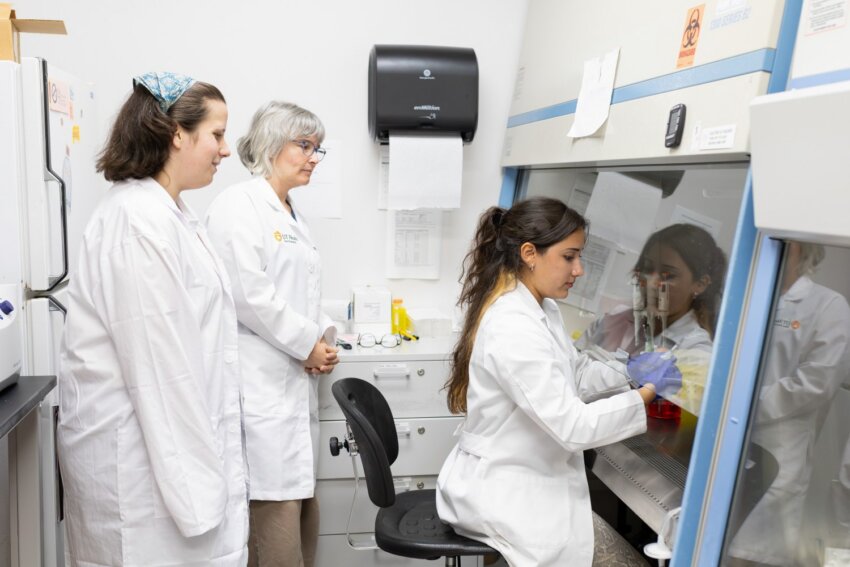
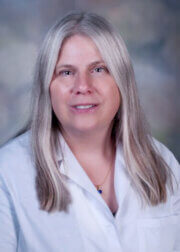
SPUR, a program in the Department of Cellular and Integrative Physiology in the Long School of Medicine, led by director Swati Banerjee, PhD, and co-director Georgianna Gould, PhD, connects students with faculty mentors for 10 weeks of intensive laboratory research. Participants, who receive stipends during the course of the program to assist with the cost of lodging, meals and other expenses, learn advanced laboratory techniques, contribute to scientific projects, and develop presentation skills through workshops and seminars.
The SPUR program, funded by the National Institutes of Health’s (NIH’s) National Institutes of Neurological Disorders and Stroke (NINDS) R25 grant, immerses students in the day-to-day activities of scientific research, allowing them to move beyond textbook knowledge and engage directly with the scientific process. Under the guidance of experienced faculty mentors, students design and execute experiments, troubleshoot experimental challenges and analyze data, developing essential problem-solving skills. This hands-on approach not only strengthens their scientific foundation but also fosters creativity and resilience as they overcome obstacles and adapt to the unpredictable nature of research.
In addition to technical skills, the program emphasizes professional growth by offering a range of workshops and seminars focused on communication, ethics and career development. “Students participate in activities designed to enhance their public speaking abilities, refine their scientific writing and build confidence in presenting their findings to diverse audiences,” Banerjee said. “These transferable skills prove invaluable as they pursue advanced degrees, apply for scholarships for continued undergraduate or graduate degrees or enter the workforce.”
Collaboration is at the heart of the SPUR experience. Students collaborate closely with peers, graduate students, postdoctoral fellows and faculty, forming lasting professional relationships and networks that extend far beyond the program. Through group projects and regular lab meetings, participants learn the importance of teamwork, respectful debate and constructive feedback in advancing scientific discovery. These connections often lead to future research, mentorship and career opportunities.
SURF: Competitive fellowships that build lasting networks
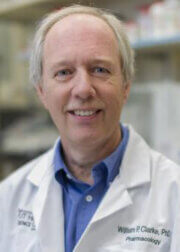
SURF, a program of the Department of Pharmacology in the Long School of Medicine led by director William Clarke, PhD, offers highly competitive fellowships with stipends funded by the American Society for Pharmacology and Experimental Therapeutics (ASPET), the Department of Pharmacology, as well as from federal grants awarded to members of the faculty, which allows students to focus on innovative research in fields such as cancer biology and neuroscience.
Each fellow collaborates closely with a faculty research mentor, culminating in a research symposium in August, where they present their discoveries to peers and experts, building professional networks that last well beyond the summer.
During the 10-week immersive research experience, participants engage in the full research process — from developing hypotheses to conducting experiments, analyzing results and drawing conclusions about genuinely open scientific questions.
Students also build essential communication skills. “Early in the program, they collaborate with faculty mentors to write an abstract outlining their research plans for the program,” Clarke said. “At the end of the 10-week program, they present their findings in a public forum attended by faculty, peers and sometimes family members, honing their ability to communicate scientific work both in writing and orally.”
Overall, the SURF program offers a comprehensive introduction to research, combining hands-on laboratory experience with structured opportunities for scientific writing and presentation. This experience is designed to deepen students’ understanding of the scientific method and to cultivate skills valuable for future academic or professional pursuits in science.
Transformative benefits for future leaders in science and medicine
Both SURF and SPUR provide mentorship, practical skills and exposure to real-world discovery. Alumni frequently credit their experiences as pivotal in pursuing advanced degrees and careers in medicine, dentistry or biomedical research. For dedicated undergraduates, these programs can be a launch pad for meaningful scientific careers.
As UT Health San Antonio continues its mission to shape the next generation of scientific leaders, programs like SURF and SPUR stand as powerful catalysts for personal and professional growth. They do more than educate — they inspire bold curiosity, nurture ambition and open doors to a lifetime of innovation and impact.
By investing in these students, UT Health San Antonio is investing in the future of science and medicine, ensuring that the breakthroughs of tomorrow begin with the opportunities provided today.
About the Joe R. and Teresa Lozano Long School of Medicine at UT San Antonio
Earlier this year, the Joe R. and Teresa Lozano Long School of Medicine was ranked 50th in the United States for fiscal year 2025 in National Institutes of Health (NIH) funding, according to Blue Ridge Institute for Medical Research, an independent nonprofit organization that compiles annual funding data from the NIH.
UT Health San Antonio is a leading academic health center in the United States and the only one in South Texas. Our mission is to make lives better® through excellence in academics, research and clinical care.