


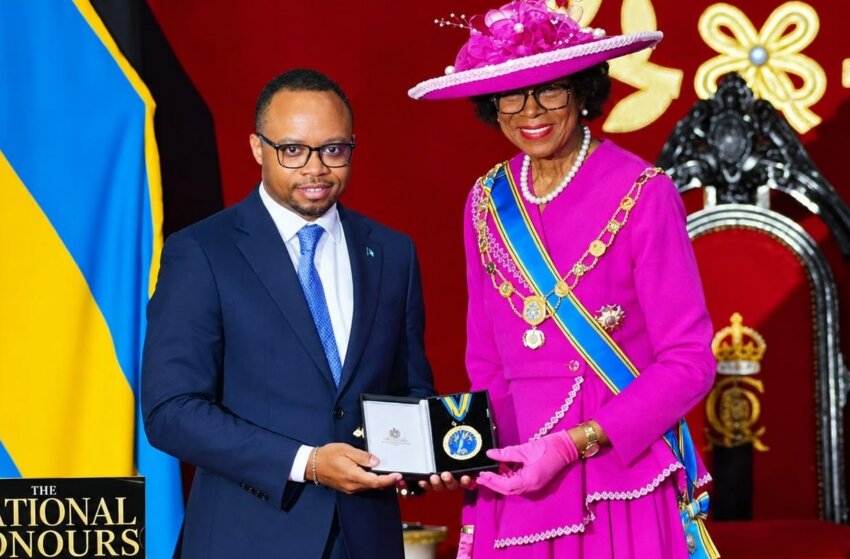
Colton Jones, MD, a hematology-oncology fellow in the Joe R. and Teresa Lozano Long School of Medicine, received one of highest national honors from the Commonwealth of The Bahamas on Oct. 10. He received the Order of Distinction award in recognition of his growing impact in cancer research and his representation of The Bahamas on the global stage.
Jones, 35, was named a Companion, the highest rank within the honor. When he learned he’d be receiving the award, he described the recognition as both unexpected and meaningful, noting that the award has traditionally recognized Bahamians later in their careers.
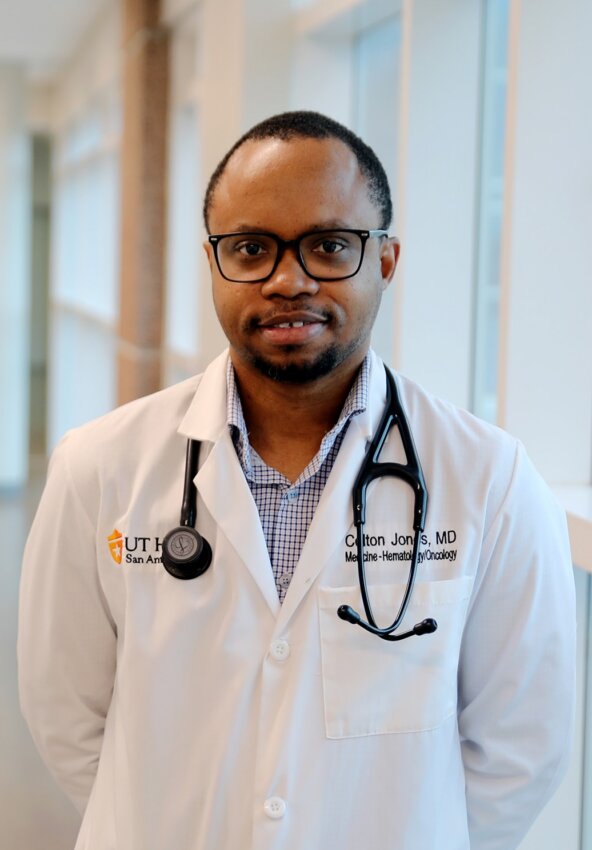
“I was speechless, in disbelief,” Jones said. “This is the most prestigious award in the Commonwealth of The Bahamas, so it’s really an honor to be part of it.”
The Order of Distinction is awarded to Bahamian citizens who have demonstrated exceptional achievement in their fields and represented the country internationally. Jones said the recognition was especially meaningful because he became the first person from his home island of San Salvador to receive the honor.
Jones grew up in a community of about 2,000 people and said his path in medicine reflected the support of the family members, neighbors, teachers, church members and mentors who helped shape him. He became the first medical doctor from his island and was training to become one of the first cancer physicians in The Bahamas in nearly two decades.
Jones’ research studies the relationship between GLP-1 medications and cancer risk. His work examined whether the medications, widely known for treating diabetes and obesity, could have broader cancer-prevention implications.
Using a large patient database, Jones studied associations between GLP-1 use and lower risk of several cancers, including colorectal, breast, pancreatic and liver cancers. His colorectal cancer research was presented at the American Society of Clinical Oncology (ASCO) Gastrointestinal Cancers Symposium.
Jones said the findings remained observational and needed to be confirmed through clinical trials. Still, he said the work had helped move the field toward studies that could one day determine whether GLP-1 medications might play a role in reducing cancer risk.
“If they’re confirmed in clinical trials, we could be talking about the next FDA-approved medication for cancer risk reduction,” Jones said.
Jones said his background also shaped how he approached patients and research. Growing up on an island without a hospital gave him firsthand understanding of the challenges faced by people who live far from specialty care, he said.
That experience, he said, helped build empathy for patients navigating barriers to care and reinforced his goal of conducting research that ultimately improved patients’ lives.
“For me, it’s all about patient care,” Jones said. “I always want to make my patients feel like they are important, that they are cared for, that their values are important and that they are not alone.”