


Contacts: Eileen Teves, 210-450-7239, tevese@uthscsa.edu
Ari Castenada, 956-645-6636, Ari.Castaneda@utsa.edu
Content provided by: Jessica Binkley
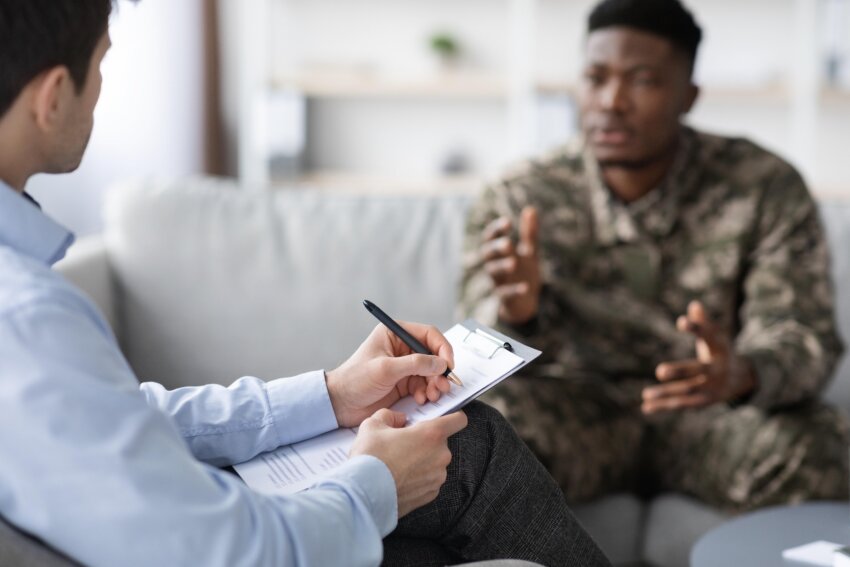
SAN ANTONIO, Nov. 18, 2026 – Researchers at The University of Texas at San Antonio are exploring how artificial intelligence (AI) could help identify communication difficulties in veterans with mild traumatic brain injuries (mTBI), potentially improving diagnosis and access to care.
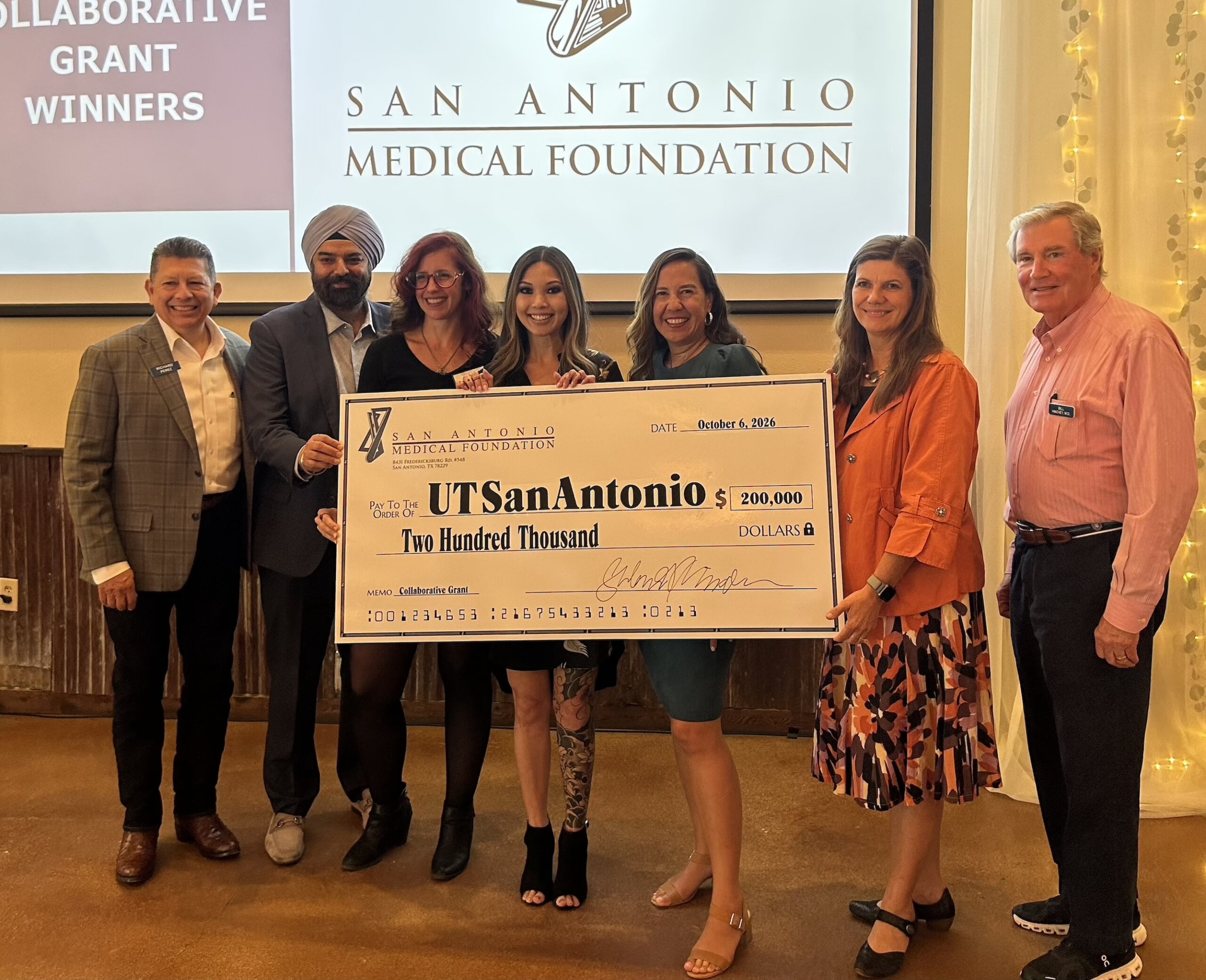
Supported by a $200,000 grant from the San Antonio Medical Foundation, the one-year collaborative study will use natural language processing, a form of AI, to analyze and measure speech and language patterns associated with mTBI, creating a tool that would make language analysis practical during a routine clinic visit.
Led by UT San Antonio’s Rocío Norman, PhD, CCC-SLP, associate professor in the Department of Communication Sciences and Disorders at the School of Health Professions, Vivian Ta-Johnson, PhD, assistant professor of psychology in the College for Health, Community and Policy, and Alicia Swan, PhD, an mTBI expert and director of rehabilitation research at the South Texas Veterans Health Care System within the Department of Veterans Affairs, the project brings together experts in speech-language pathology, artificial intelligence and veteran care and rehabilitation.
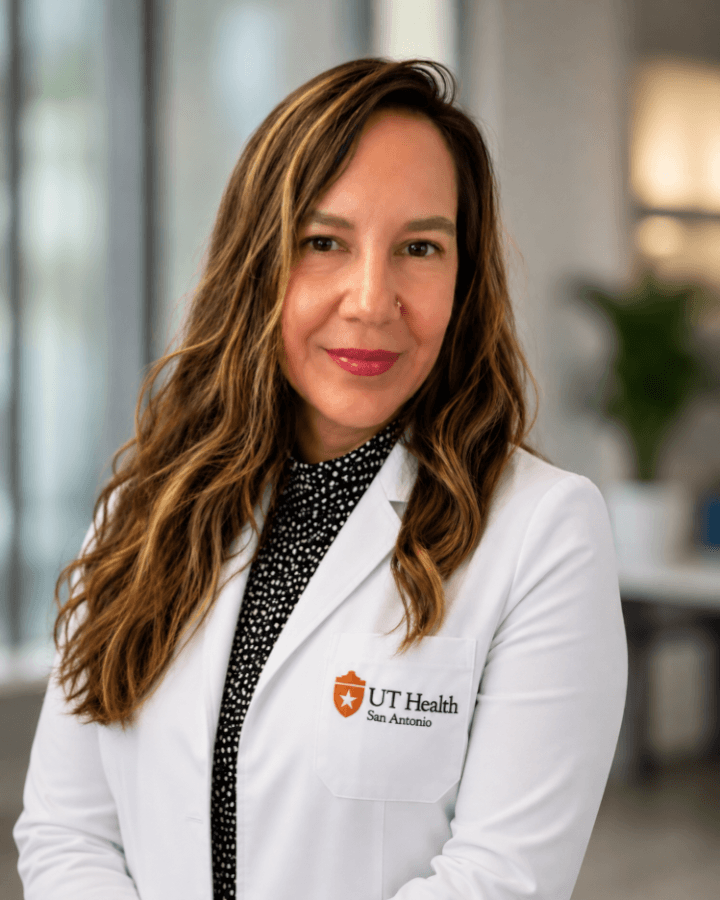
“Many of the problems associated with mild TBI involve higher-level tasks,” said Norman. “That differs from severe TBI, in which someone may need to relearn how to walk or live independently. With mild TBI, the difficulties may emerge when someone goes to college, returns to paid employment or tries to communicate meaningfully with loved ones.”
A speech-language pathologist, Norman has worked with veterans for 18 years. The study addresses a gap she has seen since treating veterans of the Iraq and Afghanistan wars. Many experienced challenges in finding the right words, organizing their thoughts, or keeping up with conversations in noisy or fast-paced settings, even when standard assessments showed no signs of impairment.
Building on Norman’s research at the San Antonio VA, where researchers have already collected recordings of veterans describing their injuries and recounting important life events, the team will use natural language processing (NLP), and AI-based technology, to convert language patterns into measurable data. This will allow them to assess communication patterns, involving coherence, emotional tone, organization and detail.
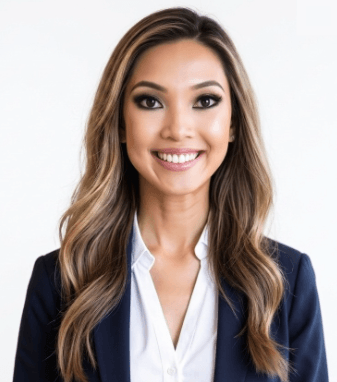
“Natural language processing gives us a way to turn patterns in language into measurable data. We can quantify different aspects of how people communicate, such as how they organize and connect ideas, and then examine those measures alongside clinical and other data,” said Ta-Johnson, a social psychologist with expertise in NLP and computational modeling. “Recent technological advances have made some NLP tools powerful and accurate enough to capture and measure these facets of language in ways we could not before.”
Researchers emphasize the technology is to help support clinicians, not replace them. The hope is the work can eventually lead to a practical tool that could be used during a routine office visit. The immediate goal is to determine whether this method can identify communication differences and how those differences relate to symptoms such as anxiety, post-traumatic stress, depression and sleep difficulties. If the pilot produces meaningful findings, the team plans to seek larger federal grants, expand to broader and potentially multi-site populations and study more specific cognitive deficits reflected in language.
To read the full story, click here.
UT Health San Antonio is the clinical enterprise and health system of The University of Texas at San Antonio (UT San Antonio), offering a comprehensive network of inpatient and outpatient care facilities staffed by medical, dental, nursing and allied health professionals who conduct more than 2.6 million patient visits each year. It is supported by UT San Antonio’s Health Science Center, home to nationally leading health education, research and discovery. UT Health San Antonio offers more than 120 specialties and serves 38 counties in South Texas. To learn about the many ways “We make lives better®,” visit UTHealthSA.org.
Stay connected with UT Health San Antonio on Facebook, Twitter, LinkedIn, Instagram and YouTube.