



Doctoral student Vincent Pham’s recent honors reflect a changing approach to scientific training.
When Vincent Pham began pursuing a doctorate in cancer biology at The University of Texas at San Antonio Health Science Center, he expected to spend his career asking scientific questions. He didn’t necessarily expect those questions to lead him into entrepreneurship.
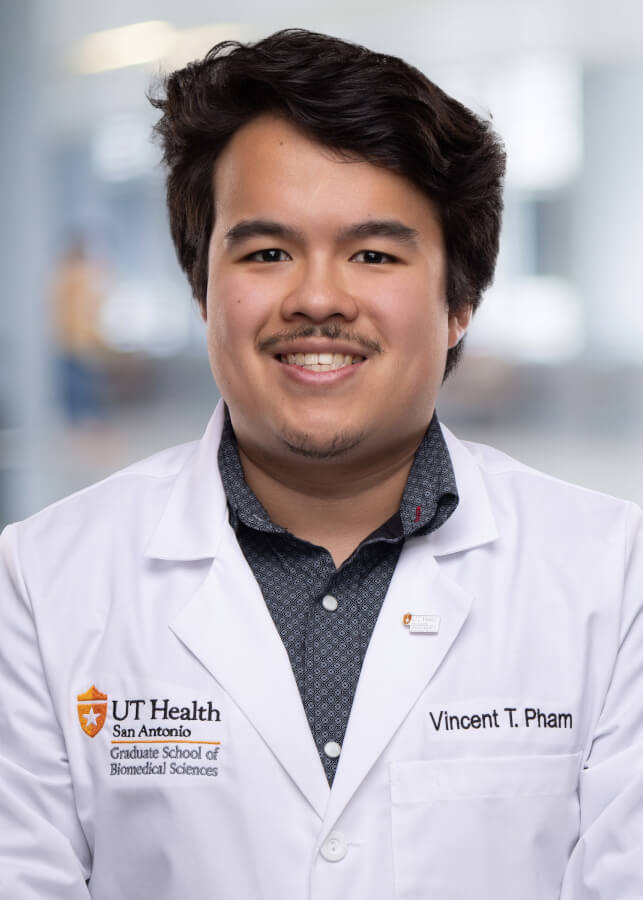
Now, the doctoral student in the Graduate School of Biomedical Sciences is earning recognition for both.
Pham recently became a 2026 Future Texas Business Legend Award Recipient by earning the Carlos and Malú Alvarez Award from the Texas Business Hall of Fame, which honors an outstanding student innovator from one of seven San Antonio-area universities. Earlier this year, he also received an Early-Career Scholar Award from the American Association for Cancer Research for his work on cancer-associated cachexia and was named a Next-Gen BioLeader by SynBioBeta.
While the awards spotlight Pham’s accomplishments, university leaders say they also reflect a broader shift in how biomedical scientists are being prepared for careers in research.
For decades, graduate students were primarily trained to make discoveries while industry partners assumed responsibility for bringing new therapies and technologies to market. Today, advances in biology, growing expectations for public impact, and increasingly collaborative models of innovation are expanding that role.
At UT San Antonio, researchers are learning how to make discoveries while considering how those discoveries move toward patient care.
‘Bench to business to bedside’
“Studying one gene in isolation is no longer enough,” said Gang Huang, PhD, professor in the Joe R. and Teresa Lozano Long School of Medicine and Pham’s faculty mentor. “The essential skill now is knowing how to use all of this accumulated knowledge to build therapies and move them into the clinic.”
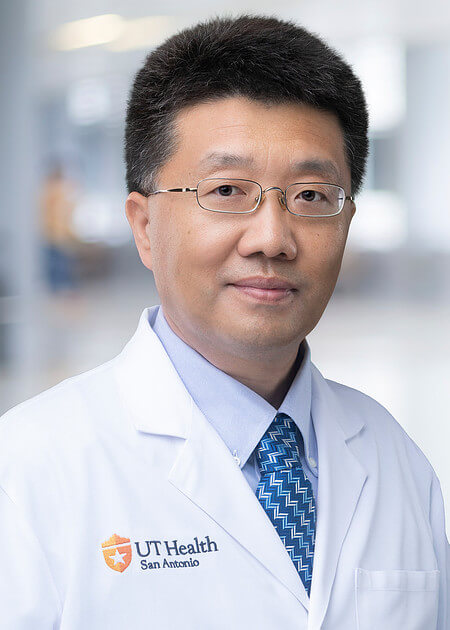
Huang describes that evolution in five words: “Bench to business to bedside.”
“A discovery that stays in the laboratory helps no one,” he said. “Commercialization is the most effective path to deliver a drug to the patients who need it.”
That philosophy has highly influenced Pham’s graduate training in Huang’s lab, located within UT Health San Antonio’s Mays Cancer Center. It’s there where he is helping develop PH102, an experimental immune cell therapy for liver cancer. Pham’s research also inspired him to co-found Powerhouse Therapeutics, a biotechnology startup focused on advancing promising cancer therapies toward clinical development. Huang serves as the company’s chief scientific officer.
“I don’t see science and entrepreneurship as two different things,” Pham said. “They’re part of the same mission.”
That perspective aligns with the university’s evolving approach to innovation.
A ‘producer’s mindset’
Anthony Francis, associate vice president of the Office of Innovation and Strategic Partnerships (OISP), said the university encourages researchers to think about potential users and public benefit early in the research process rather than waiting until discoveries are complete.
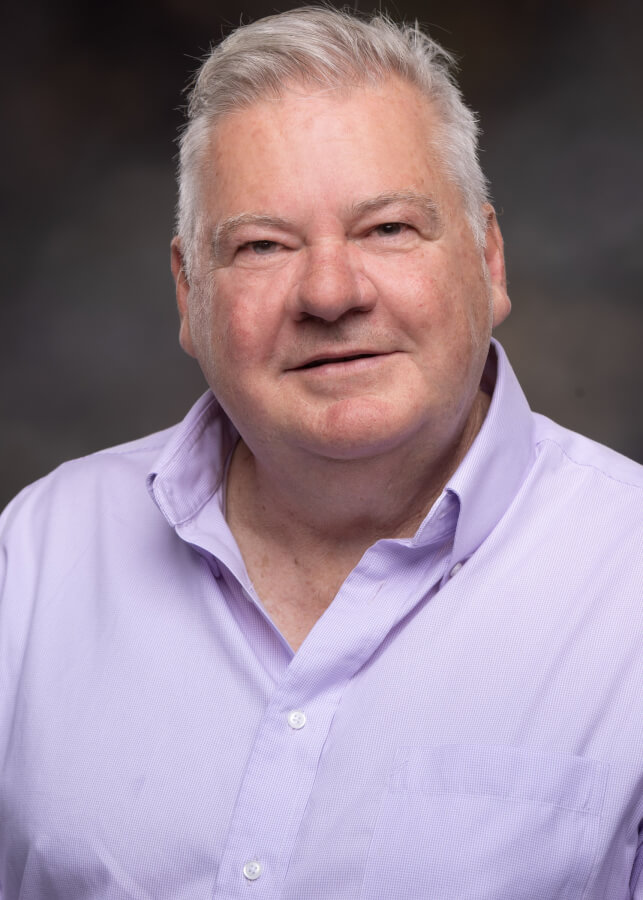
“Can the technology benefit someone?” Francis said. “Does anyone care? Does anyone find that useful?”
Through commercialization workshops, mentorship and other resources, Francis’ team currently works with faculty and fellows to evaluate how discoveries can move beyond the laboratory through licensing, startup formation or industry partnerships. He describes the broader approach as developing a “producer’s mindset,” which equips researchers to recognize the expertise, validation and partnerships needed to move a promising discovery toward a viable product or service.
While OISP does not currently provide programming to students, the office hopes to expand its services to student innovators in the future. The goal, Francis said, is to prepare all researchers to understand the entire pathway from discovery to impact.
Recognition outside academia
Pham’s own path to entrepreneurship developed through the mentorship he received in Huang’s lab and his recent recognitions are drawing attention to the combination of scientific and entrepreneurial thinking increasingly important in biomedical research.
Meredith Walker, executive director of the Texas Business Hall of Fame (TBHF), said Pham distinguished himself by combining scientific excellence with a commitment to solving real-world problems.
“Vincent struck us as a civic scientist — an obviously gifted and talented researcher who is able to bridge very specialized knowledge with real-world solutions. Ultimately, it was his curiosity… one of the most important qualities TBHF looks for in any kind of entrepreneur and perhaps the biggest predictor of success.”
And curiosity remains at the center of Pham’s work.
“I saw science as the way where, when I win, everybody else also wins,” he said. “Our wins as scientists are able to affect so many more people than just ourselves.”