UT Health Science Center to honor willed body donors
April 27, 2016
The UT Health Science Center San Antonio is holding its annual ceremony to inter cremated remains of human donors used in the education of students at the Health Science Center.

Newsroom
Category
April 27, 2016
The UT Health Science Center San Antonio is holding its annual ceremony to inter cremated remains of human donors used in the education of students at the Health Science Center.
April 27, 2016
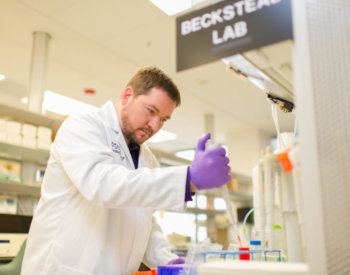
Researchers in the School of Medicine at The University of Texas Health Science Center at San Antonio are studying changes in Parkinson’s-affected cells at various stages of the disease, long before any symptoms are evident. They describe the changes in an April issue of the Journal of Neuroscience.
April 14, 2016
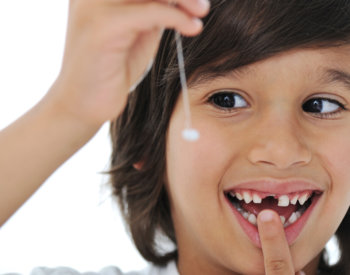
A research team from the School of Medicine at the UT Health Science Center San Antonio is asking families to donate their children’s baby teeth to the Autism Tooth Fairy Study.
April 14, 2016
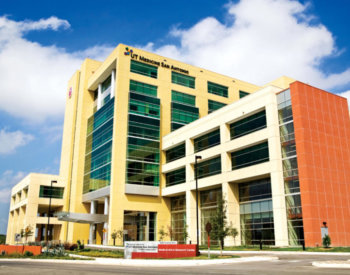
UT Medicine San Antonio, clinical practice of the School of Medicine at the Health Science Center, received Patient-Centered Medical Home (PCMH) Recognition in January 2016 from the National Committee for Quality Assurance (NCQA).
April 5, 2016
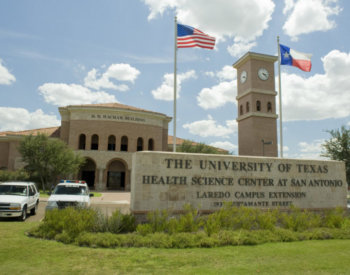
Media contact: Rosanne Fohn, (210) 567-3026, fohn@uthscsa.edu On-site contact: Gladys Keene, M.D., regional dean, (956) 523-7400 WHAT: The public is invited to a free, educational event focusing on lung disease. The conference, “Take a Deep Breath,” is part of the Stay Healthier Longer Series presented each spring by the UT Health Science Center San […]
March 18, 2016
Media contact: Rosanne Fohn, (210) 567-3026, fohn@uthscsa.edu WHAT: Match Day is a geographic rite of passage when graduating medical students from throughout the U.S. find out where their residency training will take them – and perhaps where their medical careers will be launched. The new doctors could be heading to New York or Hawaii, Florida […]