MRSA picture emerges in worldwide study
September 27, 2016
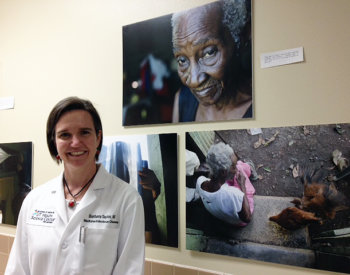
A study coordinated by The University of Texas Health Science Center at San Antonio may stem overuse of antibiotics in treating pneumonia.



Newsroom
Category
September 27, 2016
A study coordinated by The University of Texas Health Science Center at San Antonio may stem overuse of antibiotics in treating pneumonia.
September 23, 2016
The UT Health Science Center at San Antonio’s ninth President’s Gala Sept. 24 celebrated the military and the important collaborations the Health Science Center shares with the military. More than 1,100 community leaders joined the celebration.

September 20, 2016
The UT Health Science Center Postdoctoral Association and the Office of Postdoctoral Affairs will host the Fourth Annual San Antonio Postdoctoral Research Forum.

September 13, 2016
Precious children who are fighting cancer placed diminutive handprints of red, blue and green on a Hyundai Tucson Sept. 13 at University Hospital, helping the UT Health Science Center at San Antonio and University Health System celebrate a new $250,000 Hyundai Scholar Grant for pediatric cancer research.

September 6, 2016
A multidisciplinary research team at the UT Health Science Center San Antonio has found a new way to treat deadly, late-stage head and neck cancer, reducing tumor size in mouse models by 50 percent in just 14 days. The researchers found that targeting both the epidermal growth factor receptor and anaplastic lymphoma kinase pathways caused the tumors to shrink. They are seeking funding for clinical trials in humans.
September 6, 2016
Patients receiving life-saving, anti-retroviral treatment for HIV are living longer and healthier lives. But there is a downside: As they age, individuals living with HIV are at greater risk of developing heart disease and other chronic health conditions due to HIV-associated inflammation as well as the medications that control the virus. This can pose special problems for patients who live in lower- and middle-income Latin American countries, such as Mexico and the Dominican Republic, where resources for primary care are limited, according to a new study in the August edition of the journal PLOS ONE.